Turning Ocean Waves into Power and Fresh Water: The Barbados Breakthrough


I’ve always found it ironic that small island nations, surrounded by the vast power of the ocean, often struggle the most with energy security and fresh water. It feels like a cruel joke of nature: water everywhere, but not a drop to drink, and waves crashing endlessly while diesel generators hum in the background.
That’s why I was genuinely excited to dig into the latest news coming out of the Caribbean. Barbados isn’t just watching the waves anymore; they are preparing to harvest them. The island nation has officially signed a deal with the Danish company Wavepiston to build a 50 MW wave energy farm.
But here is the kicker: it’s not just about electricity. This system is designed to turn seawater into drinking water at the same time. Let’s dive into why I think this project could be a blueprint for island nations worldwide.
Project WEB: From Theory to Reality
For a long time, wave energy has been the “always promising, never delivering” sibling of the renewable energy family. Solar and wind took off, while wave energy struggled with costs and the harsh ocean environment.
However, this deal suggests the tide is turning. This agreement comes after a comprehensive six-month feasibility study called “Project WEB” (Wave Energy in Barbados), conducted throughout 2024.
- The Mission: Researchers mapped the coastline of Barbados facing the Atlantic Ocean.
- The Result: They confirmed that the waves there aren’t just pretty; they are powerful and consistent enough to support a commercial-scale farm.
I love seeing projects move from “nice idea on paper” to “let’s build this.” The transition from the theoretical phase to a commercial pilot suggests that the technology is finally maturing.


The Double Threat: Electricity & Desalination

If you ask me, the brilliance of the Wavepiston system lies in its dual-output technology. Most renewable projects focus on one thing: electrons. But Barbados has two problems:
- Energy Security: Relying on imported fossil fuels is expensive and dirty.
- Water Scarcity: Islands have limited groundwater, and climate change is making it worse.
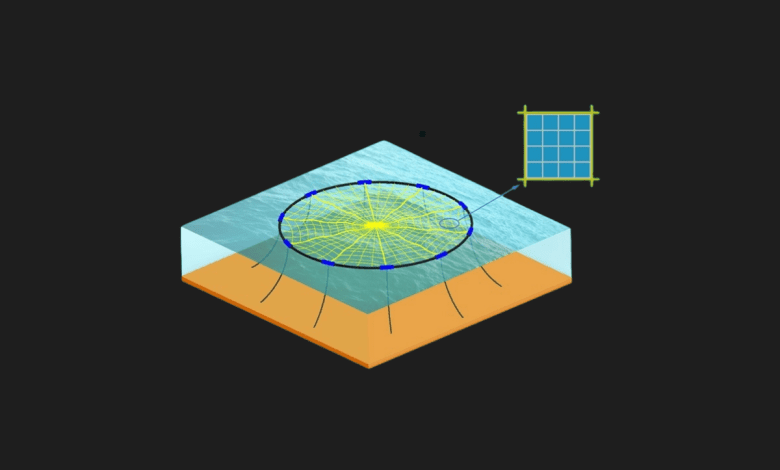
How it works: The system uses the movement of the waves to create hydraulic pressure. This pressure is used to generate electricity, but it can also be used directly to power desalination pumps.
- Efficiency: By using the pressure directly for desalination, you skip the inefficient step of converting mechanical energy to electricity and then back to mechanical energy for the pumps.
- Impact: It tackles the island’s chronic water shortage while keeping the lights on.
Why Not Just Use Solar or Wind?
I’m a huge fan of solar, but it has limitations.
- Land Use: Barbados is small. Covering acres of land with solar panels isn’t always ideal.
- Intermittency: The sun sets, and the wind dies down.
Wave energy is different. The ocean is rarely still. It offers a baseload-style stability that solar and wind struggle to provide without massive battery backups. For an island grid, that stability is gold.
Surviving the Storm: The “Flexible Sail”

Here is the part that usually worries me about ocean tech: durability. The ocean is a hostile environment. Saltwater corrodes, and storms destroy.
Wavepiston seems to have cracked this code with a clever design choice. Instead of fighting the waves with rigid concrete or steel structures, they use a “flexible sail” design.
- The Concept: Think of it like a palm tree in a hurricane. Rigid trees snap; palm trees bend.
- The Test: They ran 1:30 scale model tests in wave tanks to simulate extreme conditions.
- The Result: The system uses passive dampening. When a massive, destructive wave hits, the system essentially “goes with the flow” rather than resisting it, preventing structural damage without needing complex active control systems.
My Perspective
I’ve followed renewable tech for years, and I’ve seen many wave energy startups sink (pun intended). But the scale of this project—50 MW—is significant. This isn’t a small university experiment; it’s a grid-level commitment.
If Barbados pulls this off, it changes the game for every island nation from the Pacific to the Mediterranean. It proves that the ocean can be a savior, not just a threat.
What do you think? Is wave energy finally ready for the big stage, or will the maintenance costs of operating in saltwater still be too high? I’d love to hear your thoughts in the comments!
You Might Also Like;